Cordless assembly tools for those who work in industry
Under the harsh fluorescent lights of a bustling manufacturing plant, a worker swiftly maneuvers along a busy assembly line, the hum of machinery a constant backdrop. In hand is a cordless assembly tool, about to revolutionize the practice of industrial labor.
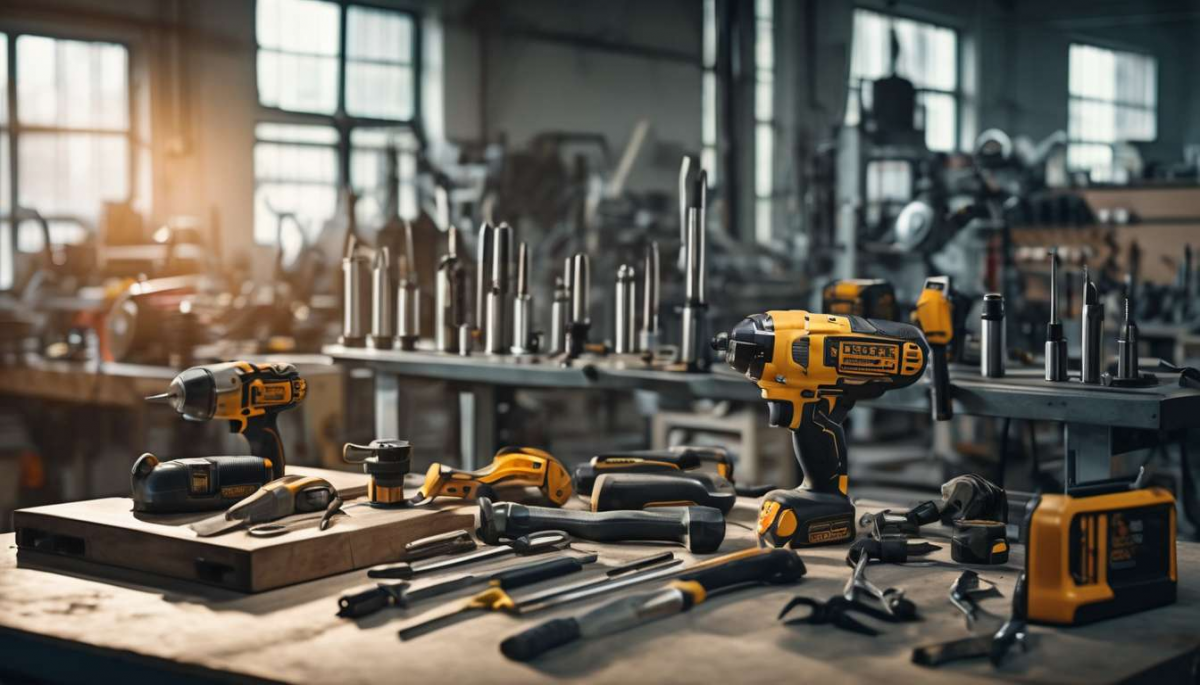
Unlike the heavy, cumbersome wired models of the past, this tool allows for seamless movement and increased efficiency. The ability to work without being tethered to a specific location offers significant logistical advantages, enhancing productivity while reducing fatigue.
As industries across the globe increasingly adopt automation and lean manufacturing techniques, the necessity for adaptable and efficient tools becomes starkly evident. Cordless technology is not only meeting these evolving demands but is leading a transformative shift towards more agile and faster production processes.
By providing improved ergonomics and operational flexibility, cordless assembly tools are redefining how assembly work is conducted in modern industrial environments, offering a glimpse into the future of manufacturing.
This innovative shift in manufacturing is further driven by companies like Atlas Copco, which continue to pioneer advancements in cordless technology.
The Evolution of Assembly Tools
Over the years, assembly tools have evolved significantly from simple manual devices to sophisticated cordless systems, enhancing efficiency and precision in industrial operations. This evolution reflects the industry’s commitment to innovation and adaptation, catering to the growing need for improved productivity and worker comfort.
Cordless technology has played a pivotal role in this transformation, offering a versatile and reliable alternative to traditional, tethered equipment. The adoption of cordless tools has been driven by their capability to improve efficiency by eliminating the constraints of power cables, thus facilitating a more seamless workflow.
Additionally, advancements in ergonomics have contributed to the evolution of these tools, ensuring that they are not only effective but also user-friendly, reducing physical strain on operators. This focus on ergonomics underscores the importance of worker well-being in the industrial sector, fostering a sense of belonging among employees as they engage with tools designed with their needs in mind.
Advantages of Cordless Technology
Cordless assembly tools offer significant advantages:
-
Enhanced Mobility:
- The transition from corded to cordless technology eliminates the constraints posed by power cords.
- Operators can maneuver freely across workspaces, which directly contributes to improved ergonomics.
- Workers can adopt more natural postures, reducing physical strain.
-
Reduced Setup Time:
- Operators no longer need to manage power sources or navigate around entangled cables.
- This results in a more organized and efficient work environment, aligning with the demands of modern industry.
-
Increased Safety:
- The risk of tripping over cords or experiencing electrical hazards is significantly minimized.
By incorporating cordless tools, industries can achieve a harmonious balance between efficiency, safety, and worker comfort. This fosters an environment where individuals feel connected and valued in their shared pursuit of excellence.

Increased Efficiency and Productivity
Leveraging cordless assembly tools can substantially boost productivity by streamlining operations and minimizing downtime.
Advantages of Cordless Technology:
- Greater Mobility and Flexibility: Cordless tools eliminate the need for cumbersome cords, allowing workers to move freely and reducing potential safety hazards.
- Efficient Task Completion: Workers can complete tasks more efficiently and transition seamlessly between various assembly stations.
Ergonomic Design:
- Reduced User Fatigue: The ergonomic design minimizes user fatigue and improves comfort during prolonged use.
- Consistent Output Levels: Ergonomics help maintain consistent output levels and reduce the risk of repetitive strain injuries.
- Increased Productivity: With less physical strain, workers can maintain high productivity levels.
Advanced Features of Cordless Tools:
- Smart Technology Integration: Cordless tools often include smart features that offer real-time feedback and analytics.
- Data-Driven Management: This approach allows for better resource management and workflow optimization.
Conclusion:
The integration of cordless technology in industrial settings is a pivotal factor in driving productivity and operational success. By incorporating cordless tools, companies can enhance efficiency, ensure safety, and maintain a high level of productivity in the workplace.
Impact on Industrial Labor Practices
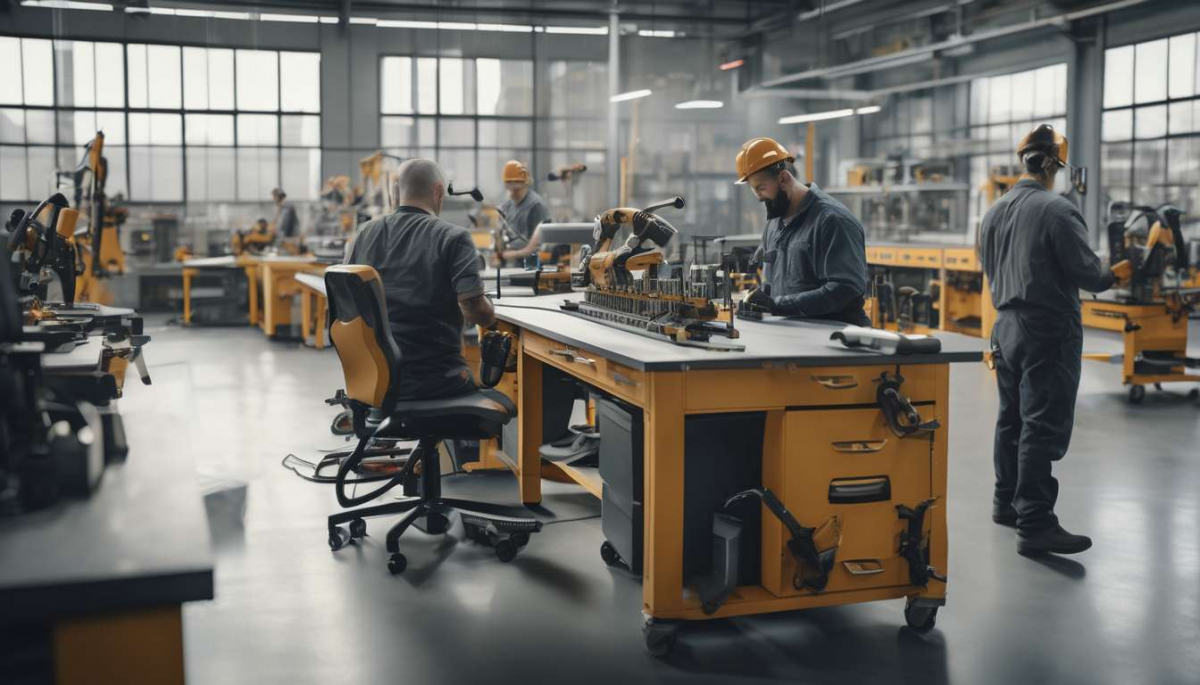
Adopting cordless assembly tools is transforming industrial labor practices by enabling more agile and adaptable work environments. This shift towards cordless technology fosters efficiency due to several key benefits:
- Increased maneuverability
- Reduced downtime associated with corded equipment
The elimination of restrictive cords minimizes tripping hazards and allows for a seamless transition between tasks. This contributes to a more streamlined workflow and supports a collaborative atmosphere, enhancing the sense of community among workers as they engage in more fluid and dynamic interactions.
Ergonomics in the design of cordless tools further impacts industrial labor practices positively. These tools are:
- Lightweight
- User-friendly
These characteristics reduce physical strain, leading to improved employee well-being and reduced fatigue. Consequently, workers can maintain higher levels of productivity over prolonged periods.
The integration of cordless technology into industrial settings not only optimizes operational efficiency but also aligns with the collective aspiration for a more inclusive and supportive workplace environment. This evolution reinforces a sense of belonging among industry professionals.
Ergonomics and Operational Flexibility
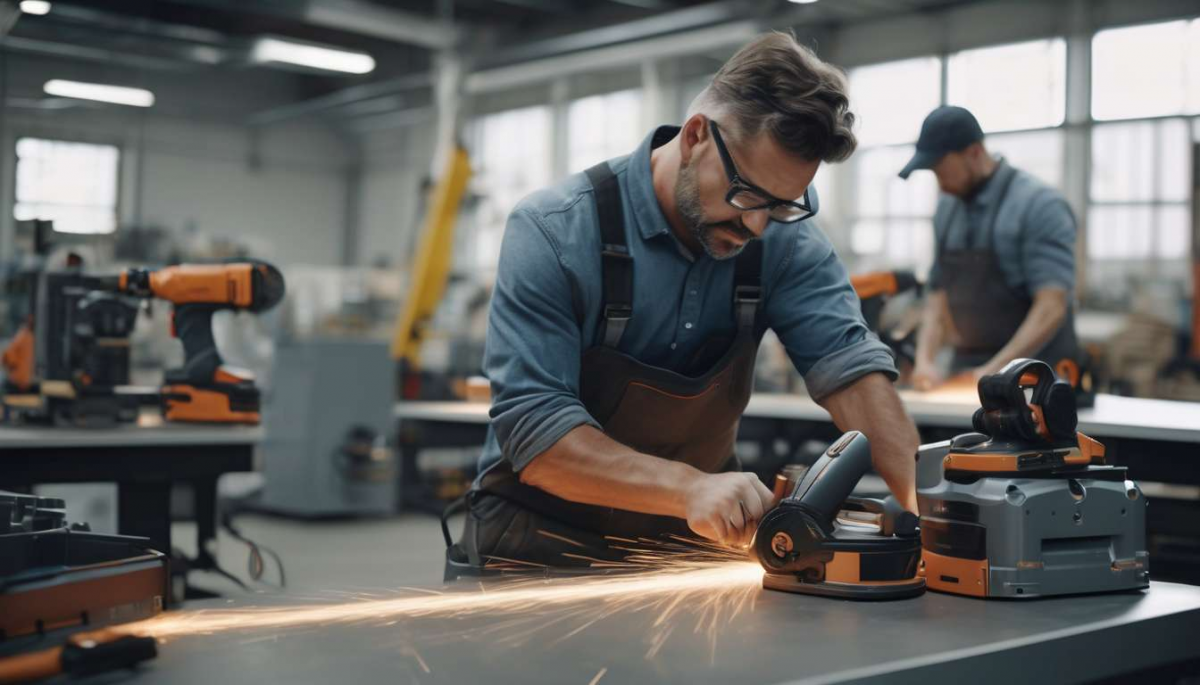
Adopting innovative design principles in cordless assembly tools enhances both ergonomics and operational flexibility, ensuring a more adaptable and worker-friendly industrial environment.
Cordless technology significantly contributes to this advancement by eliminating cumbersome cables, thus reducing physical strain and enhancing worker comfort. The ergonomic design of these tools supports natural hand movements and reduces the risk of repetitive strain injuries, a common concern in industrial settings. This results in:
- A healthier workforce
- A more sustainable approach to labor practices
Operational flexibility is further improved by cordless technology through:
- Allowing workers to move freely
- Enabling access to hard-to-reach areas without the constraints of traditional power supplies
This freedom of movement enhances efficiency by reducing time lost in repositioning and adjusting tools.
Furthermore, these advancements foster a sense of community and inclusion by creating an environment where all workers, regardless of their physical capabilities, can perform tasks effectively and safely.
In summary, cordless assembly tools embody a commitment to both efficiency and worker well-being.
Transforming Manufacturing Processes
Revolutionizing Traditional Workflows
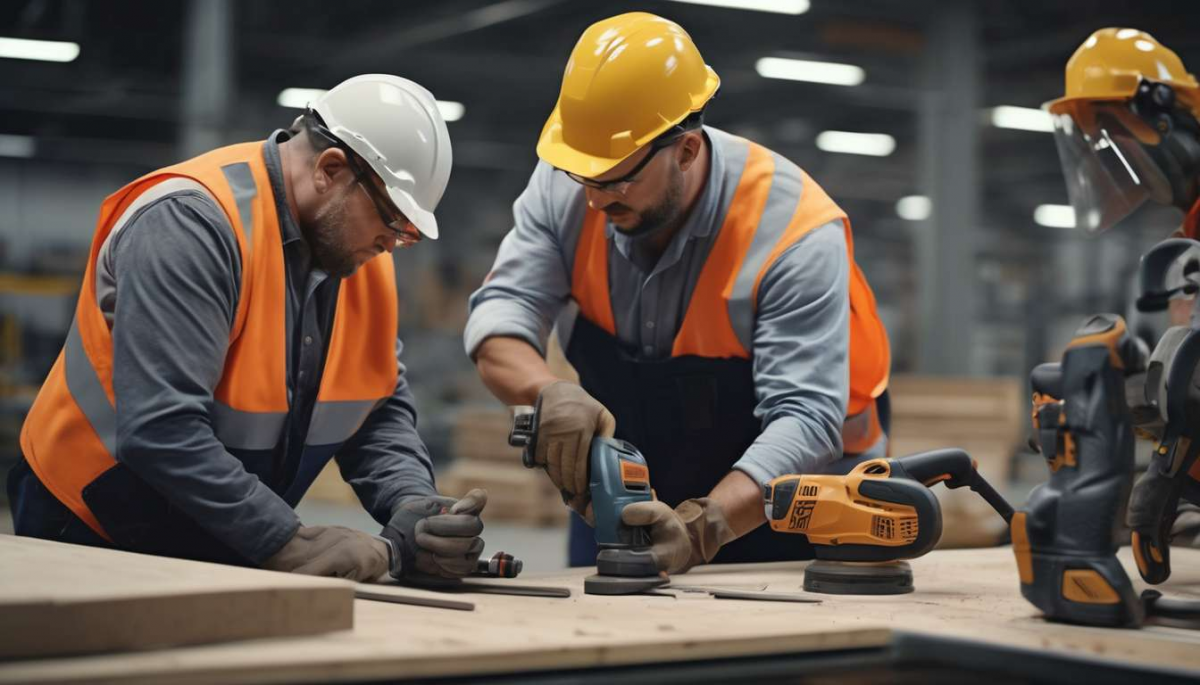
Cordless assembly tools are transforming manufacturing processes by enhancing both speed and precision. The integration of cordless technology into production lines facilitates a seamless transition from labor-intensive methods to more automated and efficient operations.
Benefits of Cordless Tools:
- By eliminating cumbersome cords, these tools significantly reduce setup times.
- They remove physical barriers, allowing workers to operate within a more open and adaptable workspace.
Enhanced Efficiency
Efficiency is further optimized through the enhanced mobility and flexibility that cordless technology offers.
- These tools enable rapid adjustments and fine-tuning of assembly tasks.
- Resulting in decreased cycle times and increased throughput.
Ergonomic Design
The ergonomic design of cordless assembly tools minimizes worker fatigue and strain. This promotes a healthier work environment and reduces the risk of repetitive strain injuries.
Fostering Collaboration
Incorporating cordless technology into manufacturing processes fosters a collaborative atmosphere.
- Teams work harmoniously towards common goals.
- By empowering workers with state-of-the-art tools, organizations create a sense of belonging and pride among employees.
This drives productivity and innovation within the industry.